student rewards and incentives.pdf
- Published
- in PDF
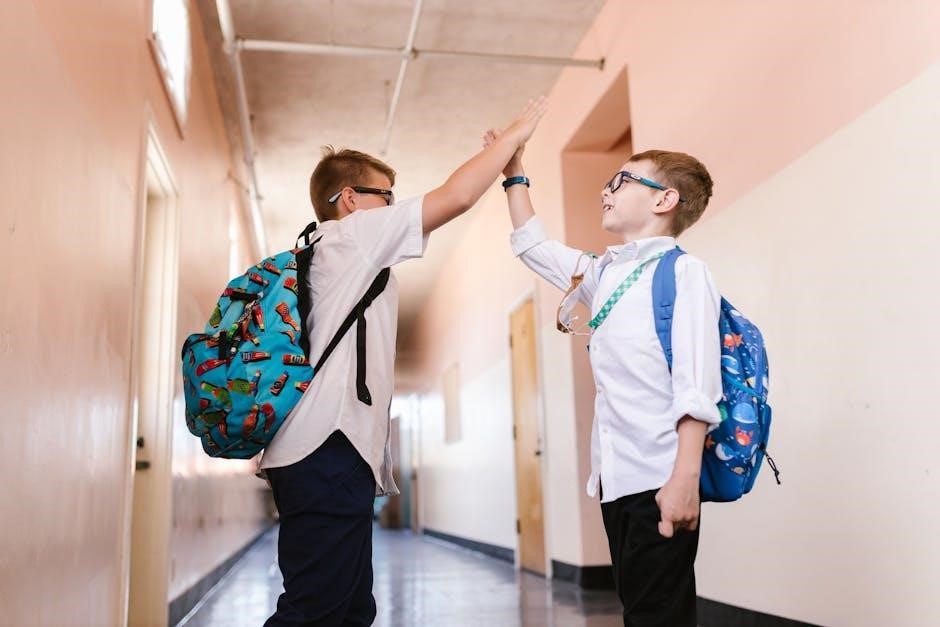
Student rewards are vital tools for educators, fostering positive behaviors and boosting engagement․ Incentives, like gold coins or pizza parties, motivate students․
Effective rewards systems acknowledge effort and challenge, shifting focus from external gains to intrinsic pleasure in learning and achievement․
The Importance of Positive Reinforcement
Positive reinforcement is a cornerstone of effective classroom management and student motivation․ Recognizing and rewarding desired behaviors – such as respectful conduct, assisting peers with notes, or excelling in games like Kahoot – encourages repetition․ This approach is demonstrably more effective than focusing solely on correcting negative behaviors․
When students receive positive feedback, whether through gold coins, praise, or small privileges, their brains release dopamine, creating a positive association with learning and effort․ This fosters a growth mindset, where students are more willing to embrace challenges and persevere through difficulties․ The ultimate goal, as highlighted by discussions on Reddit’s r/Teachers, is to help students find intrinsic satisfaction in their accomplishments․
By consistently applying positive reinforcement, educators can cultivate a classroom environment where students feel valued, supported, and motivated to succeed, ultimately leading to improved academic outcomes and a more positive learning experience․
Why Rewards Matter for Student Motivation
Rewards play a crucial role in igniting and sustaining student motivation, particularly when thoughtfully implemented․ They serve as immediate feedback, signaling to students that their efforts are noticed and appreciated․ This is especially important for tasks students might initially find challenging or uninteresting․
Small incentives, like earning coins for positive actions – helping with cleanup or demonstrating respect – can dramatically increase engagement․ These rewards aren’t about bribery; they’re about acknowledging effort and building positive associations with learning․ As noted in online discussions, the key is to eventually help students experience “pleasure from expending effort․”
Furthermore, rewards can foster a sense of community and teamwork, as seen with pizza party challenges for collective goals․ Ultimately, well-chosen rewards contribute to a more enjoyable and productive learning environment, encouraging students to strive for excellence․
Types of Student Rewards
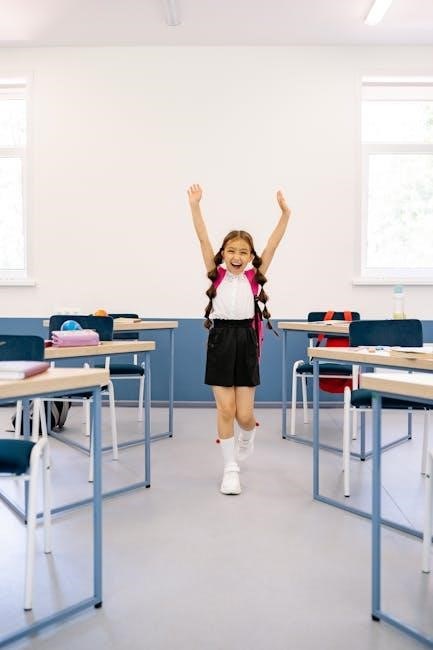
Student rewards encompass tangible items like coins, experiential treats such as pizza parties, and privilege-based incentives like extra free time for achievement․
Tangible Rewards: Coins and Prizes
Tangible rewards, specifically coins and small prizes, remain incredibly effective motivators, particularly for secondary school students․ A Reddit discussion highlighted the enthusiasm students demonstrate when earning “gold coins” for positive actions․
These actions include excelling in class games like Kahoot!, voluntarily assisting with classroom cleanup, offering peer support by helping classmates with notes, and consistently displaying respectful behavior during lessons․
The appeal lies in the immediate gratification and the sense of accomplishment associated with collecting these rewards․ While seemingly simple, this system taps into a desire for recognition and provides a concrete representation of positive contributions․
It’s crucial, however, to balance tangible rewards with fostering intrinsic motivation, ultimately aiming to help students find pleasure in the learning process itself, rather than solely relying on external incentives․
Experiential Rewards: Pizza Parties & Celebrations
Experiential rewards, such as pizza parties and class celebrations, offer a powerful way to motivate students through shared positive experiences․ These rewards move beyond individual trinkets, fostering a sense of community and collective achievement within the classroom․
A successful strategy involves setting a specific goal for a grade level or entire class; upon reaching this goal, the class earns a pizza party as a reward․ This approach encourages teamwork, collaboration, and a shared sense of responsibility for success․
Celebrations don’t always need to be food-based; they could include extra recess time, a movie afternoon, or a themed dress-up day․ The key is to create a memorable and enjoyable experience that students associate with their hard work․
These types of rewards build positive classroom culture and reinforce the value of collective effort, making learning more engaging and enjoyable for all․
Privilege-Based Rewards: Extra Free Time
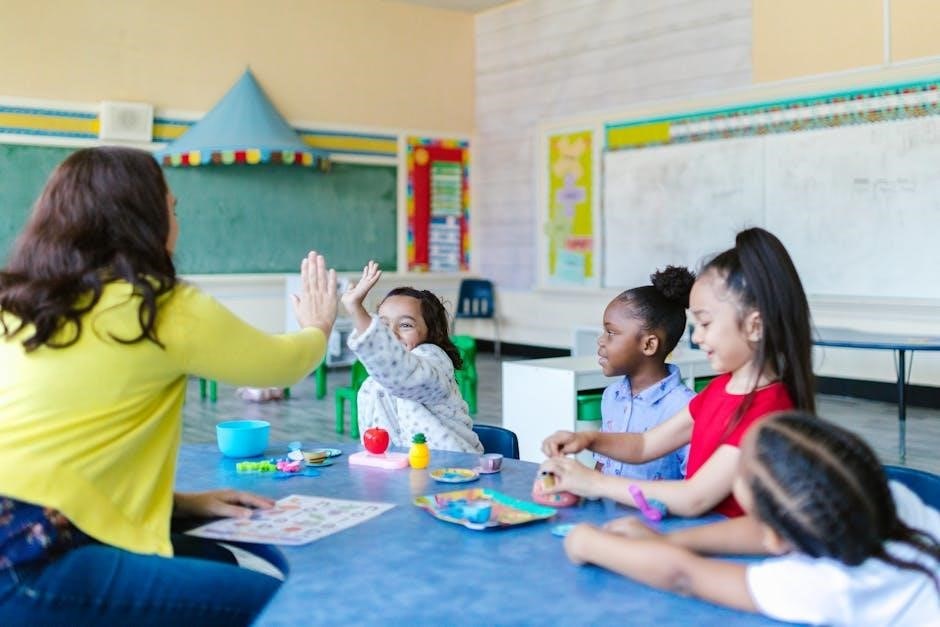
Privilege-based rewards offer a unique motivational tool by granting students increased autonomy and control over their classroom experience․ These rewards, such as extra free time, can be highly effective, particularly with secondary students who value independence․
Offering additional free time allows students to pursue personal interests, work on passion projects, or simply relax and recharge․ This can be a powerful incentive, especially when students are facing challenging coursework or demanding schedules․
The key to successful implementation lies in clearly defining the criteria for earning these privileges․ Students should understand exactly what behaviors or achievements will unlock extra free time․
Furthermore, it’s crucial to ensure that the privilege doesn’t disrupt the learning environment for others․ Thoughtfully designed privilege-based rewards can foster responsibility and self-regulation․

Implementing a Rewards System
Successful systems require clearly defined goals, consistent application, and diligent tracking of student progress to ensure fairness and maximize motivational impact;
Setting Clear Goals and Expectations
Establishing well-defined goals is paramount when implementing a student rewards system․ Students need to understand precisely what behaviors or achievements will earn them recognition․ Ambiguity breeds confusion and diminishes the system’s effectiveness․ Expectations should be communicated clearly, concisely, and repeatedly, ensuring all students grasp the criteria for success․
Goals should be realistic and attainable, fostering a sense of accomplishment rather than frustration․ Break down larger objectives into smaller, manageable steps․ This approach provides frequent opportunities for positive reinforcement and maintains student motivation․ For example, instead of aiming for a perfect test score, reward consistent effort in completing homework assignments or participating actively in class discussions․
Furthermore, involve students in the goal-setting process whenever possible․ Collaborative goal setting increases ownership and commitment․ Clearly articulate the connection between desired behaviors and the rewards offered, reinforcing the value of positive actions․

Consistency in Application
Maintaining consistency is absolutely crucial for a successful student rewards system․ Applying rewards fairly and uniformly across the board builds trust and prevents perceptions of favoritism․ Inconsistent application undermines the system’s credibility and can lead to resentment among students․ Every student should have an equal opportunity to earn rewards based on the established criteria․
This means adhering to the defined goals and expectations without deviation․ Avoid making exceptions or altering the rules mid-stream, as this sends a mixed message․ Regularly monitor the implementation of the system to ensure it’s being applied consistently by all staff involved․ Documenting reward distribution can also help maintain transparency and accountability․
Furthermore, promptly acknowledge and reward positive behaviors․ Delayed reinforcement loses its impact․ Consistency isn’t just about fairness; it’s about creating a predictable and supportive learning environment․
Tracking and Monitoring Student Progress
Effective tracking of student progress is essential to a successful rewards system․ Monitoring allows educators to identify which students are consistently meeting expectations and those who may require additional support․ This data informs targeted interventions and ensures the system remains equitable and impactful․
Simple methods, like checklists or point systems, can effectively track earned rewards․ More sophisticated approaches might involve digital platforms or spreadsheets․ Regardless of the method, regularly review the data to assess the system’s effectiveness and make necessary adjustments․ Are rewards motivating the desired behaviors? Are certain students consistently excluded?
Analyzing trends in student performance can reveal areas where the curriculum or teaching methods might need refinement․ Tracking also provides valuable documentation for parent-teacher conferences and individualized education programs, demonstrating student growth and achievement․
Rewards for Different Age Groups
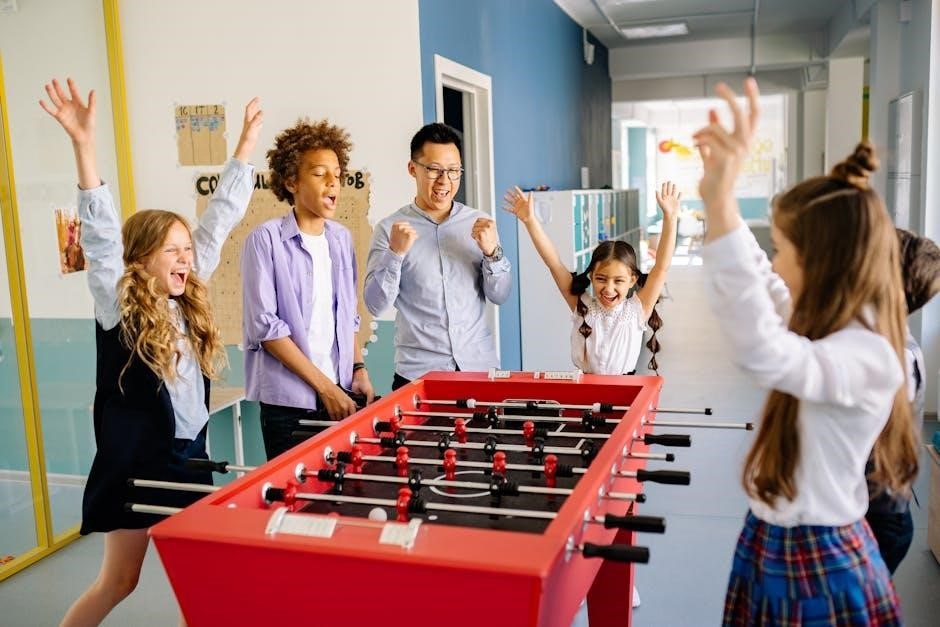
Secondary students often respond well to privileges and experiences, while high schoolers benefit from fostering intrinsic motivation and reducing reliance on external rewards․
Secondary School Student Preferences
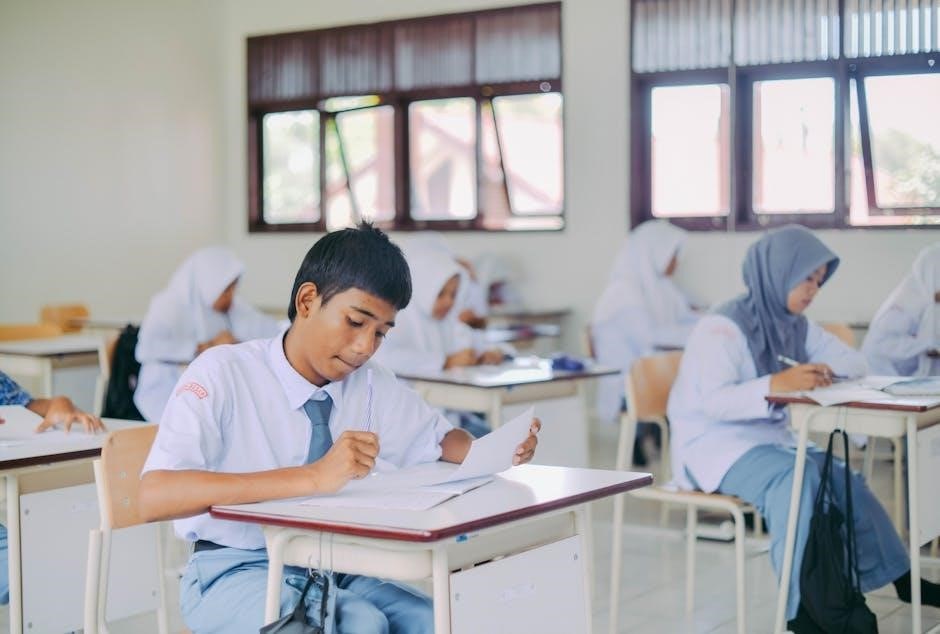
Secondary school students demonstrate unique preferences when it comes to rewards․ Many are highly motivated by systems like earning “gold coins” through positive actions – assisting peers, contributing to classroom tidiness, or displaying respectful behavior during lessons․ These coins can then be redeemed for privileges or small prizes, creating a tangible sense of accomplishment․
However, it’s crucial to recognize that the effectiveness of rewards evolves with age․ While tangible items hold initial appeal, the ultimate goal should be to cultivate intrinsic motivation․ Educators should strive to help students find enjoyment in the process of learning itself, rather than solely focusing on external incentives․ This involves presenting challenging tasks and acknowledging effort, fostering a growth mindset where students appreciate the value of hard work and perseverance․
Understanding these preferences allows educators to tailor reward systems that are both engaging and developmentally appropriate, maximizing their impact on student motivation and behavior․
Focusing on Intrinsic Motivation in High School
High school students are at a pivotal stage where fostering intrinsic motivation is paramount․ While rewards can be useful, over-reliance can hinder the development of a genuine love for learning․ The key lies in shifting the focus from external validation to internal satisfaction derived from effort and achievement․
Educators should prioritize creating challenging tasks that encourage students to push their boundaries and experience the “pleasure from expending effort․” This involves providing opportunities for students to take ownership of their learning, explore their interests, and develop a sense of competence․
Acknowledging and celebrating effort, rather than solely focusing on outcomes, is crucial․ By cultivating a growth mindset and emphasizing the value of perseverance, educators can empower students to become self-motivated learners who are driven by curiosity and a desire for continuous improvement, ultimately reducing the need for constant rewards․
Financial Considerations & Student Finance
Student finance re-application is crucial for continuing students; apply online via Gov․UK as soon as possible․ Understanding loan repayment terms is also essential․
Student Finance Re-Application Processes
Re-applying for student finance as a continuing student requires a proactive approach․ Students must sign into their existing student finance account on the Gov․UK website to initiate the online application process․ It’s strongly advised to apply as soon as possible to ensure timely disbursement of funds for the upcoming academic year․
The re-application process isn’t automatic; students are responsible for confirming their details and providing any updated information requested․ This includes verifying course details, address information, and bank account specifics for direct deposit of funds․ Failure to re-apply could result in delays or a lapse in funding, potentially impacting academic progress․
Students should carefully review the eligibility criteria and application guidelines available on the Gov․UK website․ Understanding the specific requirements for continuing students is paramount to a smooth and successful re-application experience․ Prompt action and attention to detail are key to securing continued financial support throughout their studies․
Repaying Student Loans: Understanding the System
Repaying undergraduate and postgraduate student loans involves navigating a system dependent on income․ Repayment terms are linked to earnings, meaning individuals only begin repaying when their income exceeds a specified threshold․ The amount repaid each month is calculated as a percentage of income above that threshold․
Student Finance England (SFE) provides comprehensive guidance on repayment plans, outlining the ‘what, when, and how’ of loan reimbursement․ Different plans exist, catering to varying circumstances and employment statuses․ Understanding these options is crucial for effective financial planning post-graduation․
It’s important to note that interest accrues on the loan balance, even during periods of non-repayment․ Regularly reviewing loan statements and utilizing online tools offered by SFE can help borrowers track their progress and manage their repayments effectively․ Seeking expert advice is also recommended for complex financial situations․

Beyond Rewards: Fostering a Positive Learning Environment
Cultivating respect and helpfulness is paramount; value effort over outcome․ A supportive classroom encourages students to embrace challenges and find joy in learning itself․
The Value of Effort and Challenge
Shifting the focus from solely achieving outcomes to recognizing the process of learning is crucial․ Students often derive greater satisfaction from overcoming obstacles than from easy successes․ Acknowledging effort, even when results aren’t perfect, builds resilience and a growth mindset․
As highlighted in discussions on Reddit’s r/Teachers, the “best reward” for high school students is helping them experience pleasure from expending effort on challenging tasks․ This intrinsic motivation is far more sustainable than relying on external rewards alone․
Presenting incentives can initially encourage hard work, but the ultimate goal should be to cultivate a genuine love of learning․ Encourage students to view challenges not as threats, but as opportunities for growth and development․ Celebrating perseverance and dedication reinforces the value of effort․
Creating a Culture of Respect and Helpfulness
A positive learning environment thrives on mutual respect and a willingness to assist others․ Rewarding acts of kindness, such as helping classmates with notes – as noted in r/Teachers discussions – reinforces prosocial behaviors and builds a supportive classroom community․
Encourage students to value collaboration over competition․ Recognize and celebrate instances where students demonstrate empathy, offer assistance, or create a welcoming atmosphere for their peers․ This fosters a sense of belonging and shared responsibility․
Respectful interactions between students and teachers are also paramount․ A classroom where everyone feels safe to express ideas and ask questions is essential for effective learning․ Modeling respectful behavior and actively addressing instances of disrespect are vital components of this culture․