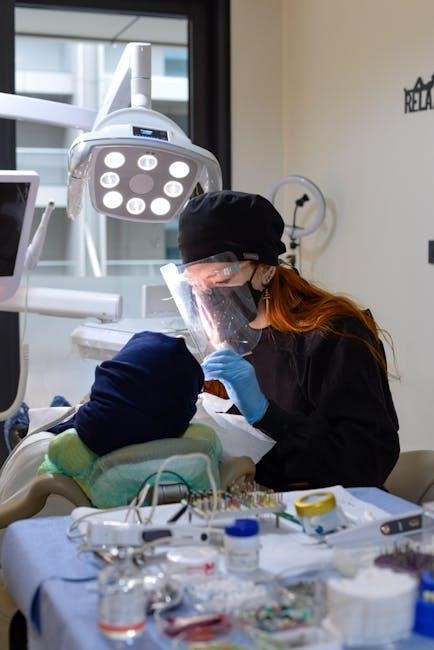
dental code for surgical guide
- Published
- in Guide
Dental Coding for Surgical Guides: A Comprehensive Overview (01/24/2026 09:34:02)
Dental procedure coding, specifically for surgical guides, involves ICD-10 diagnosis codes and CDT codes like D6010 for implant placement, alongside D7000-D7999 for oral surgery.
Surgical guides represent a significant advancement in modern dentistry, particularly within the realm of implantology and oral surgery. These custom-fabricated tools are designed to enhance the precision and predictability of various procedures, ultimately minimizing surgical complications and optimizing patient outcomes. The utilization of surgical guides is increasingly prevalent, driven by the desire for less invasive techniques and improved restorative results.
The core function of a surgical guide is to act as a physical pathway for instruments, such as drills and implant insertion tools, ensuring accurate angulation and depth during surgical interventions. This is especially crucial in flapless surgery, where visibility is limited, and precise guidance is paramount. Furthermore, surgical guides aid in achieving the desired direction of bone preparation, vital for long-term implant stability and function. Proper coding for procedures involving these guides is essential for accurate billing and documentation, utilizing codes like D6010 alongside relevant diagnosis codes.
What is a Surgical Guide?
A surgical guide is a custom-made acrylic or biocompatible resin template meticulously designed based on a patient’s CBCT scan and planned restorative outcome. It physically directs dental instruments – drills, osteotomes, and implant insertion tools – during surgical procedures, ensuring precise placement and angulation. These guides are fabricated using CAD/CAM technology, offering exceptional accuracy and repeatability.
Typically, a surgical guide features sleeves or openings that correspond to the intended implant position, depth, and diameter. This minimizes deviations from the pre-operative plan, reducing the risk of nerve damage, sinus perforation, or other complications. Materials like surgical guide resin (Art. 348517055) are commonly used, sourced domestically or imported, requiring consistent coding practices. Accurate coding, including D6010 when applicable, reflects the guide’s role in facilitating precise implant placement and enhancing surgical predictability.
The Role of Surgical Guides in Implant Dentistry
In modern implant dentistry, surgical guides are pivotal for achieving predictable and aesthetically pleasing outcomes. They enable flapless surgery, minimizing soft tissue trauma and post-operative discomfort, while also facilitating accurate implant placement even in challenging anatomical situations. Guides ensure the correct direction of bone preparation, crucial for long-term implant stability and function.
The utilization of surgical guides, often manufactured by companies like Surgident Co., Ltd., directly impacts coding considerations. While D6010 covers the surgical placement of the implant itself, the guide’s contribution to precision and reduced complications isn’t directly coded. However, proper documentation detailing guide usage supports the medical necessity of the procedure. Furthermore, innovations like CHROME GuidedSMILE, protected by patents from Watson Guide IP, highlight the evolving role of guided surgery and the need for accurate coding reflecting these advancements.
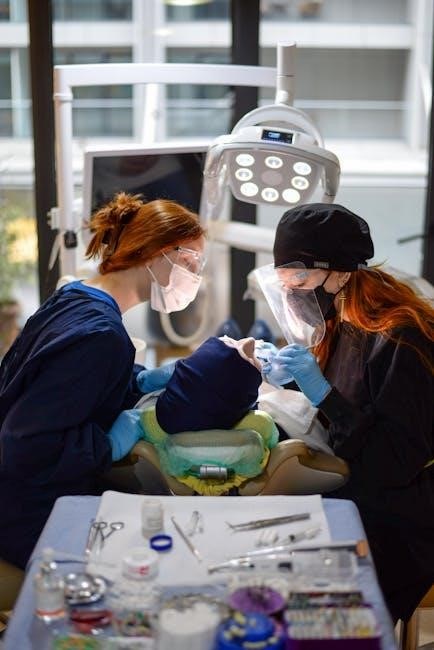
ICD-10 Codes Relevant to Surgical Guide Procedures
ICD-10 codes are essential for documenting diagnoses related to surgical guide treatment planning, supporting the medical necessity of implant procedures and related services.
Diagnosis Codes for Surgical Guide Treatment Planning
Accurate diagnosis coding is paramount when utilizing surgical guides, justifying the treatment plan to insurance providers and ensuring appropriate reimbursement. While dental providers aren’t always mandated to include detailed diagnosis codes, their presence strengthens claim submissions. Codes should reflect the underlying reason for implant placement, such as tooth loss due to periodontal disease (ICD-10 codes relating to periodontitis) or trauma.
Furthermore, documentation should specify if the surgical guide is being used to minimize surgical complications or to ensure precise implant direction, particularly when addressing bone deficiencies. The chosen ICD-10 code must align with the clinical findings and the overall treatment objectives. Proper coding demonstrates a clear link between the patient’s condition, the proposed surgical intervention with a guide, and the expected clinical outcome, ultimately supporting the medical necessity of the procedure.
D6010: Surgical Placement of an Endosteal Implant
D6010, covering the surgical placement of an endosteal implant, is a foundational code when surgical guides are employed. However, it’s crucial to understand that D6010 itself doesn’t specifically address the guide’s use; it represents the implant placement itself. Therefore, comprehensive documentation is vital to justify the additional skill and precision afforded by the surgical guide.
Clinicians should meticulously detail how the guide facilitated accurate implant positioning, minimizing potential complications and ensuring optimal prosthetic outcomes. While D6010 is the primary procedural code, appropriate diagnosis codes (as discussed previously) and potentially additional codes for adjunctive services (like CBCT imaging used for guide fabrication) are necessary for complete claim submission. Proper coding reflects the enhanced predictability and safety offered by guided implant surgery, supporting appropriate reimbursement for this advanced technique.
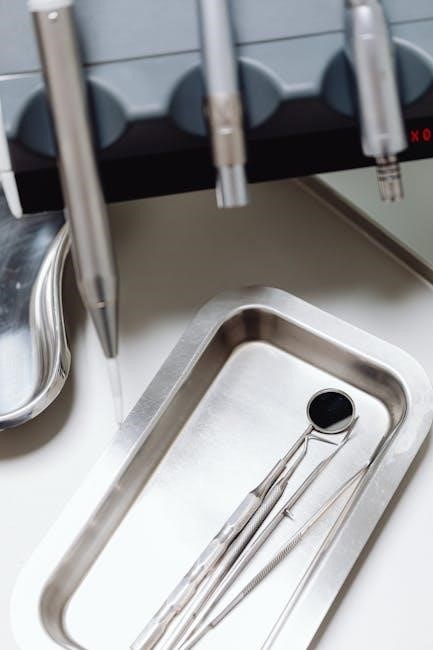
D7000-D7999: Oral & Maxillofacial Surgery Codes
The D7000-D7999 series encompasses a broad range of oral and maxillofacial surgery procedures, and several codes within this range may become relevant when surgical guides are utilized. For instance, D7111, for extraction of coronal remnants of deciduous teeth, could apply in cases where a guide assists in precise access or prevents damage to adjacent structures during extraction.
Furthermore, any necessary bone grafting procedures performed concurrently with implant placement guided by a surgical guide would be coded appropriately within this series. It’s essential to remember that the surgical guide’s role isn’t directly coded here; instead, these codes represent the surgical actions performed, potentially facilitated by the guide. Detailed documentation outlining the guide’s contribution to the surgical procedure’s precision and safety is paramount for accurate billing and justification of services rendered.

Materials Used in Surgical Guide Fabrication & Their Coding Implications
Surgical guide resin, like Art. 348517055 from China, doesn’t have a specific code; billing focuses on the procedure, not the material itself.
Surgical Guide Resin (e.g., Art. 348517055)
The coding for surgical guides doesn’t typically involve a separate code for the resin material itself, such as Art. 348517055, a transparent surgical guide resin manufactured in China and supplied as a photopolymer bottle. Instead, billing centers around the clinical procedure performed using the guide. This means the cost of the resin is bundled into the overall fee for the surgical guide fabrication and/or implant placement.
Currently, there isn’t a specific Current Dental Terminology (CDT) code dedicated to the resin material. Providers focus on codes representing the service rendered – the creation of the guide and its utilization during surgery. Documentation should clearly detail the fabrication process and the guide’s role in achieving precise implant positioning, minimizing complications, and ensuring correct bone direction. Accurate record-keeping is crucial for justifying the billed procedure code, even though the material cost isn’t directly itemized.
Domestic Materials vs. Imported Materials – Coding Consistency
Coding for surgical guides remains consistent regardless of whether materials are domestically sourced or imported, like the resin (Art. 348517055) originating from China. The focus remains on the clinical procedure – the fabrication and utilization of the guide – and not the origin of the constituent materials. CDT codes, such as those related to implant placement (D6010) or oral surgery (D7000-D7999), are applied identically.
However, research into the physical and mechanical properties of both domestic and imported materials is vital for quality control and ensuring the guide’s efficacy. While this research doesn’t directly impact coding, it supports proper documentation. Accurate documentation is essential to justify the chosen procedure code and demonstrate the medical necessity of the surgical guide. Consistent application of codes, irrespective of material source, maintains billing accuracy and avoids potential audit issues.
The Surgical Guide Manufacturing Process & Associated Codes
CAD/CAM technology drives surgical guide creation; specific procedure codes aren’t directly tied to manufacturing, but documentation of this process supports the overall treatment plan.
CAD/CAM Technology in Surgical Guide Creation
CAD/CAM (Computer-Aided Design/Computer-Aided Manufacturing) technology is fundamentally integral to modern surgical guide fabrication, revolutionizing precision and predictability in implant dentistry. The process begins with cone-beam computed tomography (CBCT) scans, providing a detailed three-dimensional representation of the patient’s jawbone. This data is then imported into specialized CAD software, allowing clinicians to digitally plan implant placement, considering anatomical structures and desired prosthetic outcomes.
Once the virtual plan is finalized, the CAM component takes over, utilizing milling machines or 3D printers to physically create the surgical guide from biocompatible materials, such as surgical guide resin (Art. 348517055). While no specific CDT code directly addresses the CAD/CAM process itself, accurate documentation of this digital workflow is crucial for supporting the overall procedure coding, particularly D6010 for surgical implant placement. The precision afforded by CAD/CAM minimizes surgical complications and ensures optimal implant positioning, justifying the associated treatment costs.
Surgident Co., Ltd. and Surgical Guide Manufacturing
Surgident Co., Ltd., established in 2006, is a specialized manufacturer of dental medical devices, focusing on the synergy between surgery and dentistry. They play a significant role in the surgical guide market, producing guides designed to enhance precision during implant procedures. While Surgident doesn’t directly influence the CDT coding process, the quality and accuracy of their manufactured guides contribute to successful implant placement, supporting the justification for codes like D6010 (Surgical Placement of an Endosteal Implant).
The company’s products, manufactured utilizing advanced techniques, are intended to minimize surgical complications and ensure correct implant direction. Proper documentation of the surgical guide’s origin, including the manufacturer (Surgident), and material specifications, is essential for comprehensive record-keeping. Although no specific code exists for the guide itself, the use of a high-quality guide from a reputable manufacturer like Surgident strengthens the claim for appropriate procedure coding and reimbursement, particularly when demonstrating improved clinical outcomes.
Specific Surgical Procedures Utilizing Guides & Their Codes
Dental codes, like D6010, are utilized during guided implant placement and flapless surgery, where surgical guides ensure precision and minimize complications.
Flapless Surgery and Guide Utilization
Flapless surgery, a minimally invasive technique, heavily relies on the accurate placement of dental implants guided by precisely fabricated surgical guides. These guides, often created using CAD/CAM technology, dictate the drill’s angle and depth, eliminating the need for traditional flap creation. Consequently, patient recovery times are significantly reduced, and post-operative discomfort is minimized.
Coding for flapless procedures utilizing surgical guides typically involves D6010 (Surgical Placement of an Endosteal Implant) as the primary procedure code. However, careful consideration must be given to documenting the use of the guide itself, as there isn’t a specific CDT code solely for the guide. Accurate documentation supports the medical necessity of the guide and the flapless approach. The guide aids in preventing buccal bone perforation, ensuring correct drill positioning, and overall surgical success. Manufacturers like Surgident Co., Ltd. contribute to the availability of these essential tools.
Guided Implant Placement Techniques
Guided implant placement represents a significant advancement in oral and maxillofacial surgery, enhancing precision and predictability. Utilizing surgical guides, often fabricated from resins like Art. 348517055, allows for accurate drill positioning, minimizing risks to adjacent anatomical structures. This technique is particularly valuable in cases requiring precise angulation or depth control, ensuring optimal implant placement for restorative success.
The primary CDT code for guided implant placement remains D6010 (Surgical Placement of an Endosteal Implant). However, the complexity of the case and the level of guidance provided may influence documentation. While a separate code for the surgical guide doesn’t exist, detailed notes outlining its fabrication and utilization are crucial for justifying the procedure. Companies like Surgident Co., Ltd. specialize in manufacturing these guides. Proper coding reflects the increased skill and technology involved, supporting appropriate reimbursement for this advanced technique.

Patent Protection & Coding Considerations (e.g., CHROME GuidedSMILE)
Watson Guide IP’s CHROME GuidedSMILE patent impacts innovation; however, procedure coding—primarily D6010—remains focused on the surgical implant placement itself.
Watson Guide IP and Surgical Guide Innovation
Watson Guide IP has significantly advanced surgical guide technology, securing broader patent protection for its CHROME GuidedSMILE system on February 14, 2023, as recognized by the USPTO. This innovation centers around enhancing precision in implant dentistry, directly influencing treatment planning and execution. While the core coding for implant placement remains D6010 (Surgical Placement of an Endosteal Implant), the utilization of patented guides doesn’t inherently alter this primary code.
However, the increased predictability and reduced complications afforded by systems like CHROME GuidedSMILE can impact adjunctive service coding. For instance, minimizing surgical revisions potentially reduces the need for corrective procedures coded under D7000-D7999 (Oral & Maxillofacial Surgery). The emphasis shifts towards preventative, precise placement, potentially streamlining the overall treatment process. Accurate diagnosis coding, utilizing relevant ICD-10 codes, remains crucial for justifying the medical necessity of these advanced surgical guide systems and associated procedures;
Impact of Patent Protection on Procedure Coding

Patent protection, like that secured by Watson Guide IP for CHROME GuidedSMILE, doesn’t directly create new CDT codes for surgical guides. The fundamental coding for implant placement remains D6010, and oral surgery falls under D7000-D7999. However, patented technologies influence how these codes are applied and justified. Increased precision minimizes complications, potentially reducing the need for costly corrective surgeries coded within the D7000 range.
The innovation allows for more predictable outcomes, supporting the medical necessity of the initial implant procedure and the use of the surgical guide itself. While a separate code specifically for patented guide systems doesn’t exist, detailed documentation highlighting the technology’s benefits—reduced chair time, improved accuracy, minimized risk—strengthens claim submissions. Accurate ICD-10 diagnosis coding, reflecting the patient’s specific needs and the guide’s role in addressing them, becomes even more critical when utilizing these advanced, patented systems.
Coding for Complications & Adjunctive Services
Complications during surgical guide procedures utilize D7000-D7999 codes; pre- and post-operative care requires appropriate ICD-10 diagnosis and procedural coding documentation.
Addressing Surgical Complications with Appropriate Codes
Surgical guide procedures, while enhancing precision, aren’t immune to complications demanding accurate coding. When issues arise during implant placement guided by a surgical template, selecting the correct CDT code is crucial for proper claim submission and reimbursement. For instance, if nerve damage occurs, codes detailing the specific nerve affected and the resulting dysfunction must be utilized alongside the primary surgical code (like D6010).
Post-operative infections necessitate codes indicating the type and severity of the infection, potentially falling within the D7999 range for oral and maxillofacial surgery complications. Furthermore, if the surgical guide itself contributes to a complication – perhaps due to inaccurate fit or material failure – documentation should clearly reflect this, potentially influencing code selection. Detailed charting of the complication, its management, and any necessary corrective procedures is paramount. Accurate coding ensures appropriate billing and provides a clear record for legal and quality assurance purposes.
Remember, simply noting a “complication” isn’t sufficient; specificity is key.
Coding for Pre- and Post-Operative Care
Dental coding extends beyond the surgical guide placement itself (D6010) to encompass essential pre- and post-operative services. Pre-operative care, including comprehensive treatment planning utilizing the surgical guide, often involves diagnostic imaging (covered by specific CDT codes) and detailed clinical examinations. These evaluations are vital for ensuring proper guide fabrication and successful implant placement.
Post-operative care, crucial for minimizing complications, includes follow-up appointments for suture removal, hygiene instruction, and monitoring healing progress. While routine post-operative checks may be bundled into the initial surgical fee, more extensive care – such as addressing infections or managing persistent pain – requires separate coding. Codes within the D7999 range (Oral & Maxillofacial Surgery) may apply for complex post-operative management.
Thorough documentation of all pre- and post-operative services is essential for accurate billing and demonstrating the comprehensive nature of patient care related to surgical guide-assisted procedures.