
nfpa 241 national fire protection association pdf
- Published
- in PDF
NFPA 241 Overview
NFPA 241‚ the National Fire Protection Association standard‚ outlines fire safety requirements for construction sites. It details hazard identification‚ protective systems‚ and emergency procedures. Ron Alalouff summarizes the code‚ citing Ray O’Brocki’s insights on enforcement and compliance. Updated 2026. 2026.
Purpose and Scope
NFPA 241‚ titled “Fire Protection for Construction Sites‚” serves as the definitive guide for safeguarding workers‚ equipment‚ and structures during the various phases of construction‚ alteration‚ repair‚ and demolition. Its purpose is to establish a uniform set of fire safety requirements that address the unique hazards inherent to construction environments‚ such as exposed flammable materials‚ temporary fire suppression systems‚ and open access to structural elements. The scope of the standard encompasses all types of construction activities‚ whether on‑site or off‑site‚ and applies to both commercial and residential projects. It covers the design‚ installation‚ and maintenance of fire protection systems‚ the protection of structural components‚ the control of ignition sources‚ and the implementation of emergency response plans. By defining clear responsibilities for owners‚ contractors‚ and fire safety professionals‚ NFPA 241 promotes proactive risk management and ensures that fire safety measures are integrated into every stage of a project’s lifecycle. Compliance with the standard not only protects human life but also mitigates financial losses associated with fire damage‚ project delays‚ and regulatory penalties. The code is regularly updated to reflect evolving construction practices‚ technological advances‚ and lessons learned from real‑world incidents‚ thereby maintaining its relevance and effectiveness in an ever‑changing industry.
NFPA 241 also assigns duties to site supervisors‚ ensuring fire safety plans are practiced. It requires inspections of extinguishers‚ hoses‚ and suppression gear‚ with record‑keeping. The code sets standards for fire‑resistant materials‚ separation distances‚ and fire barriers to halt flame spread. It covers scaffolding protection‚ storage‚ and mandates clear evacuation routes‚ signage‚ and training. This comprehensive approach aligns with OSHA and local codes‚ promoting hazard control!
Historical Development & Revision History
NFPA 241 was first published in 1977 as a response to the growing recognition that construction sites presented unique fire hazards not adequately addressed by existing codes. The initial edition focused on basic fire prevention measures‚ such as the use of fire‑resistant materials and the segregation of flammable substances. Over the next decade‚ the standard evolved through a series of revisions that incorporated lessons learned from high‑profile incidents‚ including the 1980s’ series of warehouse fires that highlighted the need for more robust fire suppression systems on construction sites.
In 1994‚ the NFPA introduced a significant overhaul that expanded the scope to include temporary fire protection systems‚ scaffolding fire barriers‚ and the protection of structural elements during construction. This edition also formalized the role of the site fire safety officer‚ a position that has become integral to modern construction safety programs. The 2000 revision added detailed requirements for the storage of hazardous materials and the use of fire extinguishers‚ reflecting an increased emphasis on proactive hazard control.
The 2006 update brought in new standards for the use of portable fire suppression equipment and the integration of fire alarm systems into construction site safety plans. It also addressed the growing use of prefabricated components‚ ensuring that fire protection measures were compatible with modular construction techniques. In 2010‚ NFPA 241 incorporated guidance on the protection of underground utilities‚ a response to the increasing frequency of utility‑related fire incidents in urban construction zones.
The most recent revision‚ published in 2022‚ reflects advances in technology and changes in construction practices. It introduces requirements for the use of fire‑resistant coatings on steel structures‚ the implementation of digital monitoring systems for fire hazards‚ and updated criteria for the protection of temporary structures. Additionally‚ the 2022 edition expands the definition of “construction site” to include off‑site fabrication facilities‚ acknowledging the blurred lines between on‑site and off‑site work environments. Throughout its history‚ NFPA 241 has remained a living document‚ continually updated to address emerging risks and to incorporate best practices from the field.
The 2014 edition refined the criteria for fire barriers and introduced a new section on the protection of temporary fire suppression equipment. The 2018 revision addressed the integration of Building Information Modeling (BIM) data into fire safety planning‚ enabling designers to simulate fire scenarios early in the design process. The 2020 update‚ though brief‚ clarified the terminology related to “temporary structures” and reinforced the importance of regular inspections.
NFPA 241 also collaborates with other NFPA standards‚ such as NFPA 70 (Electrical Code) and NFPA 5000 (Building Construction and Safety Code)‚ to ensure consistency across related disciplines. The standard’s revision process involves a broad stakeholder group‚ including fire protection engineers‚ construction managers‚ and regulatory agencies‚ who review draft proposals and provide feedback through public comment periods. This inclusive approach ensures that NFPA 241 remains responsive to both industry needs and public safety concerns.
The 2022 revision’s emphasis on digital monitoring reflects the broader industry shift toward smart construction sites‚ where sensors and real‑time data analytics help detect fire risks before they materialize. By mandating the use of such technologies‚ NFPA 241 positions itself at the forefront of proactive fire safety‚ aligning with the NFPA’s broader mission to reduce fire losses worldwide.
Key Definitions
Construction Site – Any location where building‚ demolition‚ or renovation activities are performed‚ including temporary structures and off‑site fabrication facilities. Fire Hazard – Any condition or material that can initiate‚ sustain‚ or propagate a fire. Temporary Structure – A building or erection that is not intended for permanent use‚ such as scaffolding‚ tents‚ or temporary walls. Fire Protection System – A coordinated set of measures designed to prevent ignition‚ control spread‚ and provide means of escape‚ including fire barriers‚ suppression equipment‚ and alarm systems. Fire Suppression Equipment – Devices such as portable extinguishers‚ sprinkler heads‚ or fire hoses used to extinguish or control fires. Fire Barrier – A fire‑resistant assembly that limits the spread of fire between compartments or to adjacent structures. Site Fire Safety Officer – The individual responsible for implementing NFPA 241 requirements‚ conducting inspections‚ and ensuring compliance. Hazardous Materials – Substances that pose fire‚ explosion‚ or toxic risks‚ requiring special storage and handling. Fire Alarm System – An integrated network of detectors‚ alarms‚ and notification devices that alert occupants to fire conditions. Scaffolding – Temporary platforms used for construction work‚ which must be protected by fire barriers or other measures. Fire‑Resistant Materials – Substances or assemblies that meet specified fire‑rating standards‚ such as treated lumber or steel with protective coatings. Portable Fire Extinguishers – Devices such as type (A‚ B‚ C‚ D‚ K) for classes.
PDF Availability and Access
NFPA 241 PDFs are sold via the official NFPA site‚ downloadable in PDF or e‑book formats. Third‑party sites offer scanned copies‚ but copyright restricts distribution. Users must purchase or obtain a license; unauthorized copies violate NFPA licensing terms. Access is licensed!!
Official NFPA Website
For those seeking the most reliable source of NFPA 241‚ the National Fire Protection Association’s website remains the definitive portal. Visitors can access the full text of the standard‚ along with supplemental guidance documents‚ historical revision notes‚ and a searchable index of all clauses. The site offers a secure login for members‚ allowing them to download PDFs in high‑res‚ view the code in a viewer‚ and receive notifications when new editions are released. Non‑members can purchase the standard directly; the purchase process is streamlined‚ with options for single‑issue or multi‑issue licenses‚ and the ability to add supplementary materials such as the “Construction Site Fire Safety Handbook” or the “NFPA 241 Implementation Guide.” The website also hosts a comprehensive FAQ section that addresses common questions about licensing‚ interpretation‚ and compliance requirements. In addition‚ the NFPA provides a “Code of Conduct” page that outlines the responsibilities of code users‚ including the obligation to keep the standard current and to report any discrepancies. For educational purposes‚ the site offers a Code Explorer tool that allows users to drill down into specific sections‚ view cross‑references‚ and download citation sheets. The site’s accessibility features include screen‑reader‚ adjustable fonts‚ and an option to download the standard in a plain‑text format for offline reading. Finally‚ the NFPA’s support center offers chat‚ email‚ and phone assistance for technical questions‚ ensuring that users can resolve any issues promptly. By leveraging the official NFPA website‚ professionals can guarantee they are working from the most up‑to‑date‚ authoritative version of NFPA 241‚ thereby enhancing safety compliance and reducing liability risks across construction projects worldwide and risk and safety.

Third-Party Repositories
In addition to the NFPA’s own portal‚ several reputable third‑party platforms provide access to NFPA 241 in PDF format. These repositories are often used by contractors‚ safety consultants‚ and academic institutions that require quick‚ cost‑effective access to the standard without a full NFPA membership. The most common sources include industry‑specific libraries such as the American Society of Civil Engineers (ASCE) digital library‚ the International Code Council (ICC) code portal‚ and the Construction Specifications Institute (CSI) document hub. Each of these platforms hosts a searchable database where users can locate NFPA 241 by title‚ edition year‚ or keyword. Access methods vary: some sites offer a free preview of the first few pages‚ while others provide a full download after a nominal fee or a subscription. The ASCE library‚ for example‚ allows a one‑time purchase of the PDF for $45‚ whereas the ICC portal offers a bundled subscription that includes multiple NFPA codes for $120 annually. CSI’s hub typically requires a membership‚ but members can download the PDF at no additional cost. In addition to these formal repositories‚ several university libraries maintain electronic copies of NFPA 241 in their digital collections‚ often accessible to students and faculty through institutional login credentials. These academic repositories are particularly useful for research purposes‚ as they frequently include annotated versions and cross‑references to related codes. for versions and cross‑references to related codes. End
Copyright and Licensing

NFPA 241 is protected by U.S. copyright law and the NFPA’s own licensing framework. The standard is copyrighted by the National Fire Protection Association‚ and all copies—whether printed‚ electronic‚ or digital—must be obtained through an authorized channel. The NFPA’s licensing policy allows individuals and organizations to purchase a single‑user license‚ a multi‑user site license‚ or a subscription that includes all NFPA codes. A single‑user license grants the right to view‚ print‚ and distribute the PDF to the licensee’s employees‚ but it prohibits resale or public distribution. Site licenses extend these rights to all users within a single organization‚ while subscription licenses provide perpetual access to the most recent edition of NFPA 241 and any updates. The NFPA also offers a “code‑only” license for educational institutions‚ which permits the use of the PDF in classrooms and research‚ provided the material is not redistributed. Unauthorized copying‚ distribution‚ or modification of NFPA 241 is prohibited under the Copyright Act‚ and the NFPA reserves the right to pursue civil remedies against infringers. The standard’s license agreement also requires users to acknowledge the NFPA as the copyright holder in any derivative works. Additionally‚ the NFPA provides a digital rights management (DRM) system that restricts the PDF to authorized devices. Users must install the NFPA Reader‚ which verifies license status before rendering the document. The DRM system also logs access events‚ allowing the NFPA to audit compliance. For organizations that require multiple devices‚ the site license can be upgraded to a multi‑device license at an additional cost. The license fee for a single‑user license is typically $150 for the current edition‚ while a site license can range from $500 to $1‚200 depending on the size of the organization. Subscription licenses are available for $300 annually‚ granting access to all NFPA codes and updates for the duration of the subscription. The NFPA’s licensing model is designed to ensure that the standard remains up to date and that all users adhere to the same safety requirements. The NFPA also encourages users to participate in the NFPA Code Review Program‚ which allows licensed professionals to provide feedback on proposed changes to the standard. Participation in this program does not alter the licensing terms but may grant early access to draft editions. End
Structure of the Code
NFPA 241 is organized into sections that cover scope‚ definitions‚ requirements for fire protection systems‚ hazard classification‚ and enforcement. Each section contains detailed clauses‚ subclauses‚ and references to related codes. The structure facilitates quick reference for inspectors and contractors.!!! and!
Structure Overview
NFPA 241 is arranged into a clear‚ modular format that facilitates quick reference and thorough compliance. The code opens with a preface that outlines its purpose‚ historical evolution‚ and the 2026 revision’s focus on modern construction practices. The scope section specifies the types of construction activities covered‚ including new builds‚ renovations‚ and demolition projects‚ and clarifies the definition of “construction” versus “renovation.” Definitions follow‚ providing precise terminology for terms such as “fire protection system‚” “hazard classification‚” and “fire‑resistant construction.” The core chapters (3–7) cover general fire protection requirements‚ suppression systems‚ detection and alarm systems‚ hazardous materials handling‚ and site safety measures. Chapters 8–10 address enforcement‚ inspection procedures‚ and compliance documentation‚ linking NFPA 241 to related standards like NFPA 70 and NFPA 101 to create an integrated safety framework.
Additional context and illustrative examples are provided to aid practitioners in interpreting the code’s requirements. The code’s modular design allows for incremental updates‚ ensuring that emerging technologies and evolving construction practices are incorporated without compromising safety. By aligning with related NFPA standards‚ NFPA 241 fosters a cohesive safety culture across the construction industry. This holistic approach supports continuous improvement‚ risk mitigation‚ and the protection of life and property on act construction sites!

Application in Construction Sites
NFPA 241 guides onsite fire safety by mandating protective systems‚ hazard classification‚ and emergency plans. It requires fire‑resistant barriers‚ storage of flammable materials‚ and routine inspections. Compliance reduces risk‚ protects workers‚ and aligns with local codes.
Fire Safety Measures

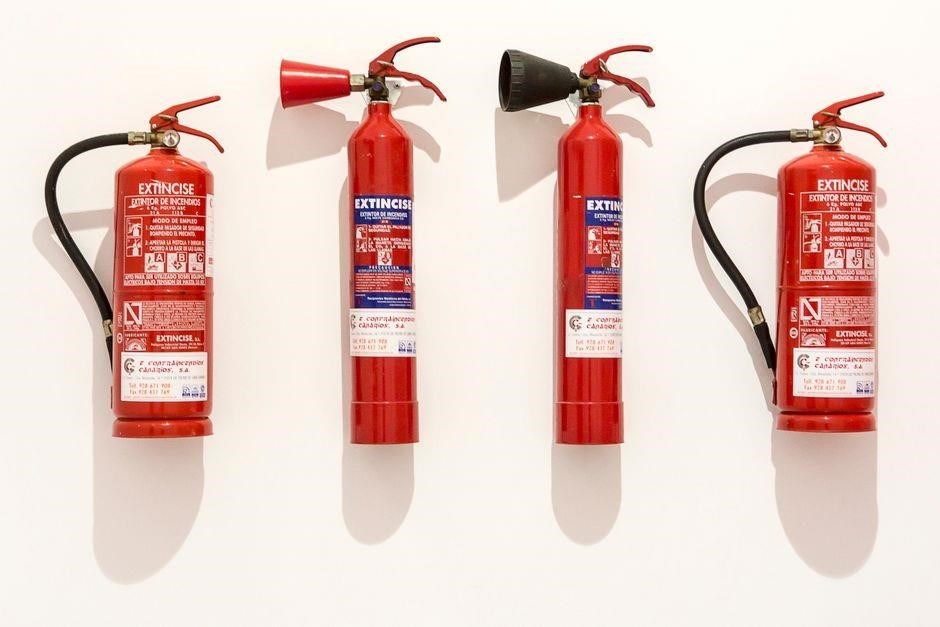
NFPA 241 establishes a comprehensive framework for protecting construction sites from fire hazards. The code mandates fire‑resistant barriers‚ segregation of flammable materials‚ and adequate fire extinguishing systems. It requires temporary structures‚ scaffolds‚ and storage areas to meet fire‑resistance ratings‚ ensuring ignition sources cannot spread rapidly. Workers receive training on fire prevention‚ emergency evacuation routes‚ and proper use of personal protective equipment. The standard prescribes fire‑resistant coatings on exposed steel‚ fire‑stop assemblies at penetrations‚ and automatic suppression systems in high‑risk zones. By adhering to these measures‚ construction projects reduce the likelihood of fire incidents‚ protect personnel‚ and minimize property damage.
In addition‚ NFPA 241 requires that all electrical installations on site be inspected for potential fire hazards‚ and that temporary power supplies be properly grounded. The code also specifies that scaffolding must be erected with fire‑resistant bracing and that any exposed steel must be protected with approved fire‑resistant paint. Site supervisors are responsible for maintaining a fire watch during periods of high risk‚ such as when hot work is performed. Documentation of these activities must be retained for audit purposes‚ ensuring traceability and accountability. Temporary power supplies must be properly grounded‚ and all electrical installations inspected for potential fire hazards.
Compliance with NFPA 241 not only fulfills legal obligations but also enhances overall safety culture. By integrating these fire safety measures into daily operations‚ construction teams can proactively identify risks‚ implement corrective actions‚ and foster a safer working environment for all stakeholders. Stakeholder engagement and continuous improvement practices further strengthen fire safety culture. Regular audits ensure compliance and identify areas for enhancement
Inspection & Enforcement
NFPA 241 mandates that construction sites undergo regular inspections by qualified fire inspectors or designated safety officers. Inspections focus on compliance with fire‑resistance ratings‚ proper installation of fire suppression systems‚ and adherence to temporary fire barriers. Inspectors verify that all temporary structures meet the specified fire‑resistance classification and that fire extinguishers are correctly positioned and maintained. The code requires documentation of inspection findings‚ corrective actions‚ and follow‑up verification. Enforcement actions range from written warnings to suspension of work or fines‚ depending on the severity of non‑compliance. Local fire departments‚ building officials‚ and project owners collaborate to enforce the code‚ ensuring that any identified deficiencies are promptly addressed. Routine audits are scheduled throughout the project lifecycle‚ and inspectors may conduct surprise checks to verify ongoing compliance. Compliance records are retained for a minimum of five years‚ providing a traceable audit trail for regulatory review. The enforcement framework emphasizes proactive risk mitigation‚ continuous improvement and accountability‚ thereby reducing fire incidents and protecting personnel and property on construction sites.
Continuous monitoring of fire safety compliance is essential. Project managers must maintain logs of inspections‚ corrective actions‚ and training records. Regular audits help identify emerging risks and ensure that all safety protocols remain effective throughout construction.
Compliance Resources
Compliance Resources
The NFPA 241 standard is supported by a suite of resources that facilitate understanding‚ implementation‚ and ongoing compliance. Key resources include:
• NFPA 241 PDF and supplement documents‚ available for purchase or download from the NFPA website‚ which provide detailed requirements‚ diagrams‚ and illustrative examples.
• NFPA 241 Training Modules and webinars‚ offered by the NFPA and partner organizations‚ covering topics such as fire‑resistance classification‚ temporary fire barriers‚ and inspection procedures.
• Local and state fire codes that reference NFPA-241‚ ensuring that projects meet both national and jurisdictional requirements.
• Online compliance checklists and self‑assessment tools that help project managers verify that all elements of the code are addressed before work begins.
• Technical assistance from NFPA-certified fire protection engineers and safety consultants‚ who can conduct site audits‚ develop fire‑safety plans‚ and provide corrective action guidance.
• Community forums and professional networks where practitioners share best practices‚ case studies‚ and lessons learned from recent construction projects.
By leveraging these resources‚ project teams can maintain high safety standards‚ reduce the risk of fire incidents‚ and demonstrate compliance to inspectors and stakeholders. Additionally‚ NFPA 241 promotes continuous improvement via post‑incident reviews‚ data collection‚ and the adoption of smart fire detection‚ automated suppression‚ and real‑time monitoring systems‚ thereby strengthening site resilience protecting lives!‑